Numeracy Development
Counting, number recognition, shapes, quantities, simple operations, patterns and problem-solving through apps, manipulatives, robotics and coding.
Our Basic Education programmes combine direct learner engagement, teacher professional development, practical resources, clubs, competitions, classroom coaching and measurable outcomes from Foundation Phase through FET.
These links move to complete programme sections below. They are standard page navigation—not floating controls.
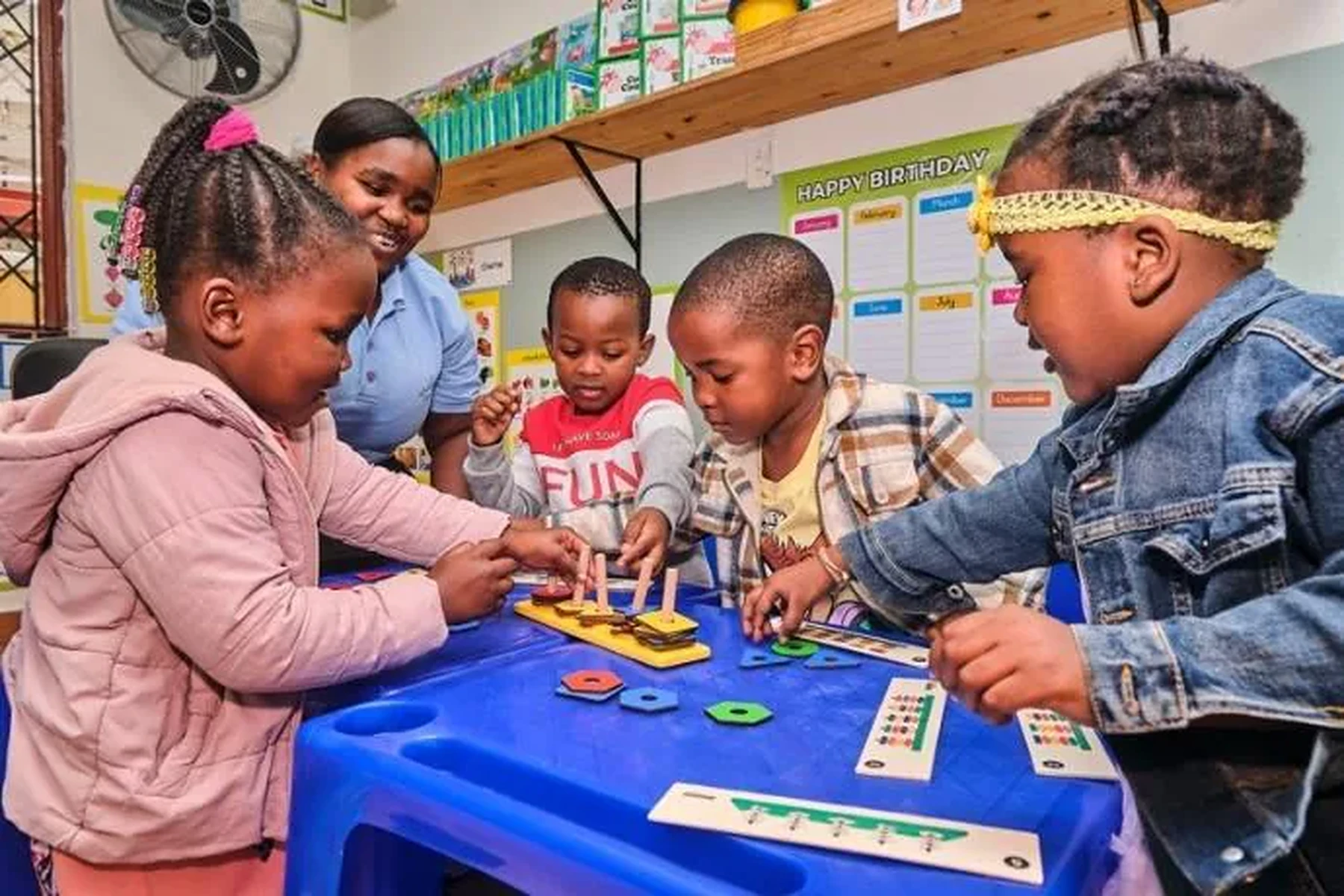
Technology-enhanced, play-based learning that strengthens early number sense, language, sequencing, confidence and participation.
Counting, number recognition, shapes, quantities, simple operations, patterns and problem-solving through apps, manipulatives, robotics and coding.
Phonics, vocabulary, storytelling, pronunciation, simple reading, writing and comprehension through interactive books and digital tools.
Adaptive educational games, challenges and robotics activities that connect movement, stories, language and number concepts.
Teacher training, progress monitoring, practical resource use, parent engagement toolkits and community learning hubs.
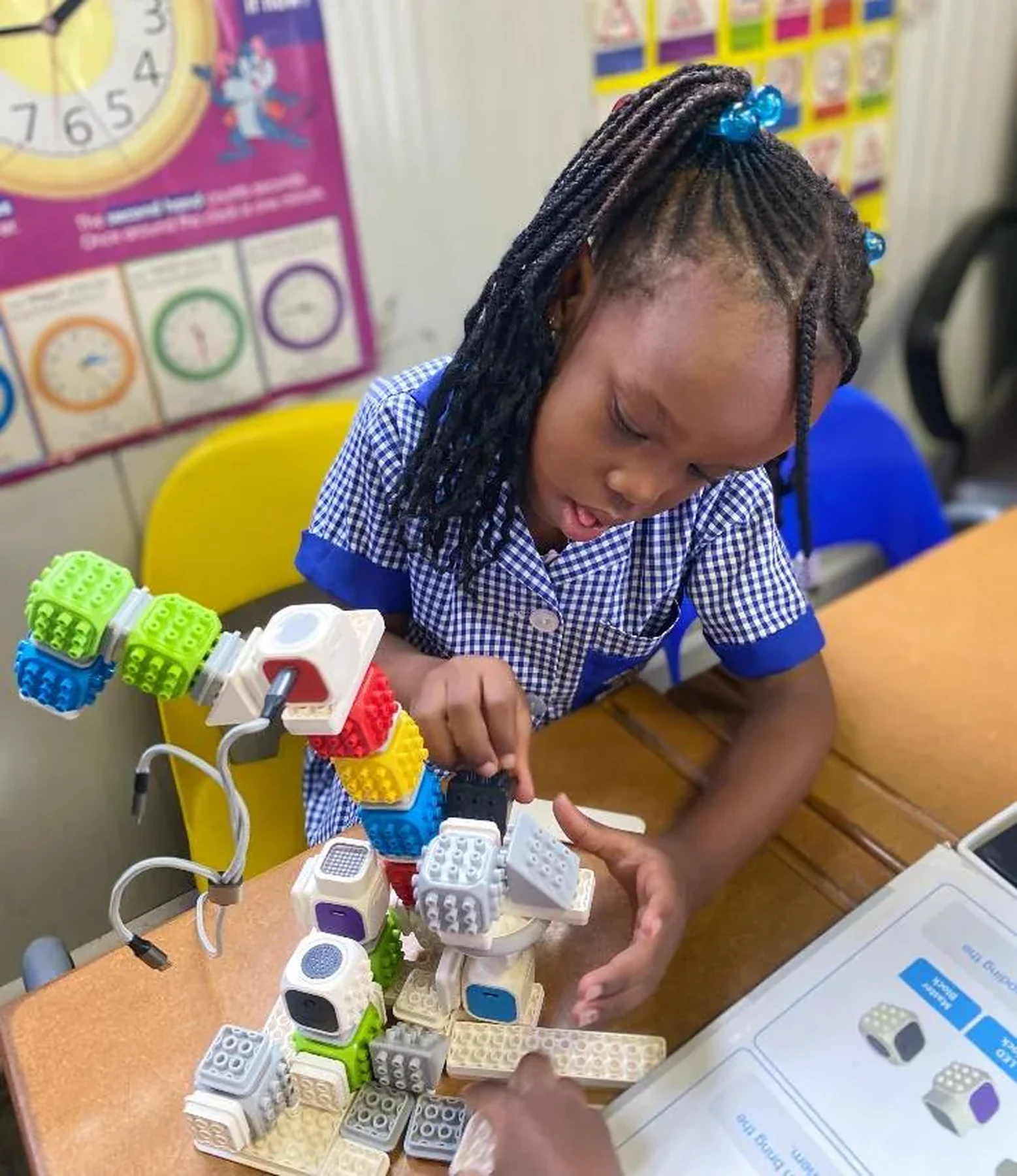
Learners develop logical, computational, design and systems thinking through physical computing, engineering, electronics, authentic programming and community problem-solving.
Unplugged activities, block coding and text-based coding suited to learner age and programme level.
Design, construct, program, operate, test and improve programmable electromechanical devices.
Practical training, curriculum alignment, assessment strategies, club facilitation and ongoing classroom support.
Teams identify community challenges, research causes, build solutions, present prototypes and celebrate innovation.

A three-part approach that strengthens educator capability, supports learners who need enrichment and creates recovery pathways for young people who need Mathematics and Science to progress into STEM and Commerce.
Subject knowledge, pedagogy, assessment, technology integration, professional confidence and ongoing support.
Additional tuition, targeted instruction, personalised support and supplementary resources outside normal classroom time.
A one-year pathway for learners who passed other matric subjects but need Mathematics and Science for higher education access.
Virtual demonstrations, digital visualisation, robotics applications, data analysis and practical experimentation.

Educators learn to use computers, tablets, interactive whiteboards, educational software, online resources, connectivity and learning platforms to create dynamic, collaborative and inclusive learning environments.
Design technology-enhanced lessons that improve engagement, participation, critical thinking and digital literacy.
Smartboards, devices, online resources, simulations, LMS tools, blended learning and digital portfolios.
Equipment audits, utilisation monitoring, troubleshooting, maintenance guidance and accessibility planning.
Digital record-keeping, communication, parent engagement, reporting and reduced manual paperwork.
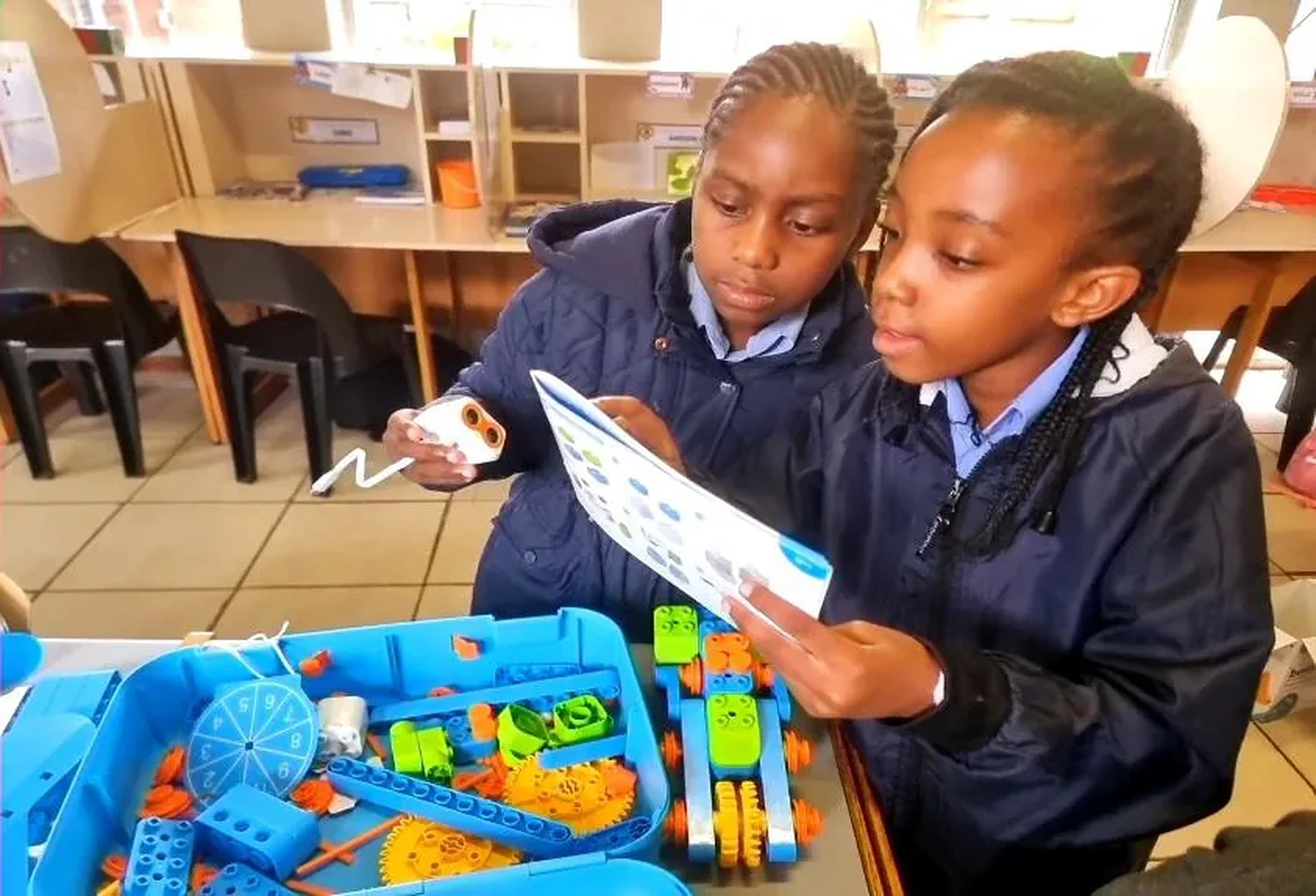
Interdisciplinary projects help learners connect theory to design, making, investigation, storytelling, data and community challenges.
Open investigations, evidence-based reasoning, experimentation and scientific communication.
Digital literacy, coding progression, robotics, automation and introductory AI concepts.
Design challenges, prototyping, electronics, fabrication and iterative testing.
Creative coding, storytelling, visual design, applied mathematics, measurement and data handling.
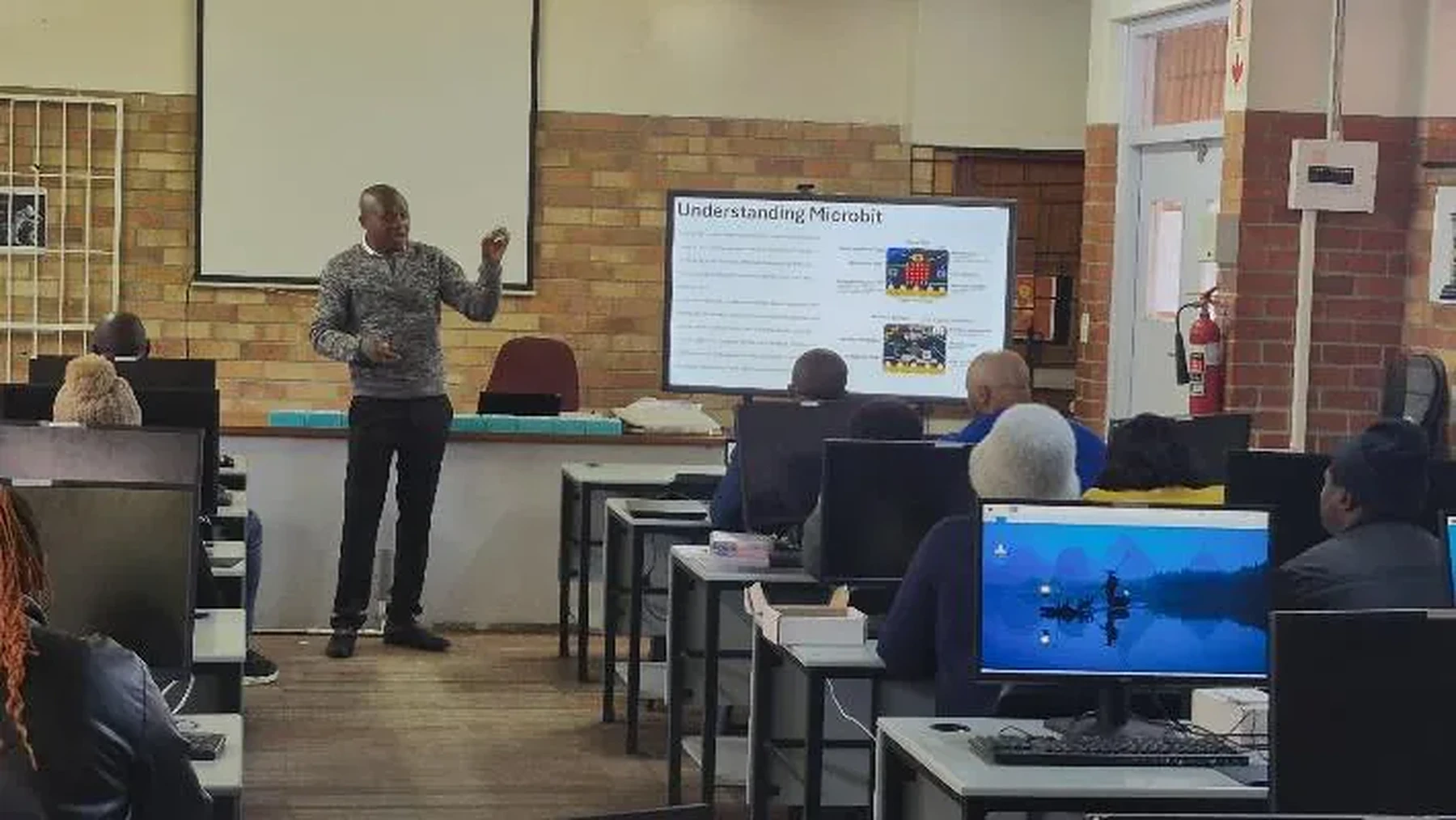
Assessment services for schools, colleges and training providers cover modern curriculum areas, practical tasks, portfolios, project-based learning and educator competency.
Physical Sciences, Life Sciences, Mathematics, Mathematical Literacy, Visual Arts and Performing Arts.
Algorithms, programming projects, robotics competitions, design portfolios, CAD and prototypes.
Electrical and mechanical practical assessment, workplace simulation and trade-test preparation.
Digital lesson plans, e-learning platforms, interactive content, digital storytelling and teacher competency.
TripleA delivers a complete implementation process rather than once-off training.
Project approval, agreements, advocacy, district engagement and school selection.
Needs analysis, goal setting, stakeholder briefing and implementation planning.
Train-the-trainer, teacher development, facilitator preparation and resource distribution.
Classroom visits, coding club support, monitoring, competitions, certification and reporting.
Request a tailored programme that combines training, resources, learner engagement, coaching and evidence.